The Station

The Station

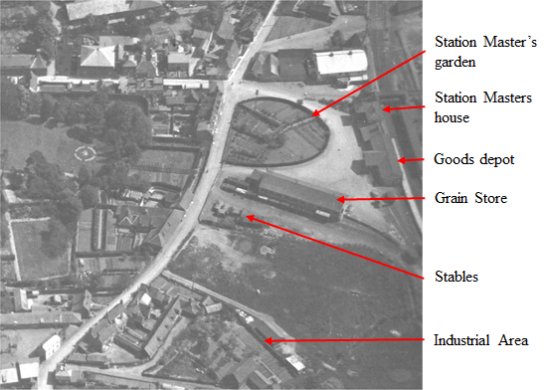
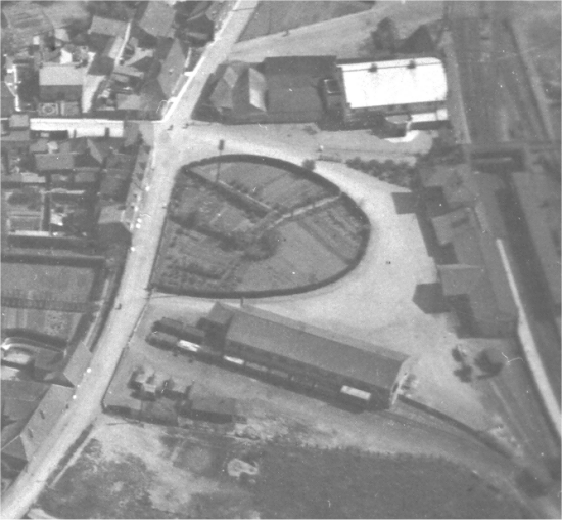
Aerial view of the station in 1930. The red arrows highlight the parts of the station.
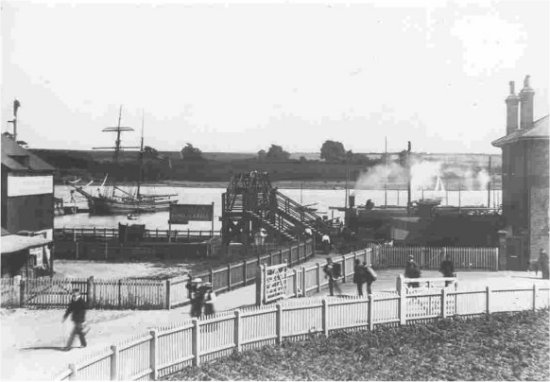
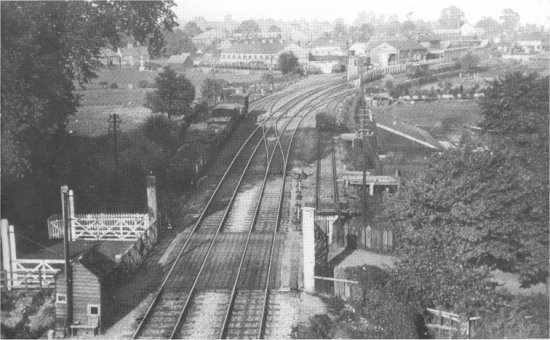
The wooden bridge over the railway provided easy access to the down line towards Ipswich.
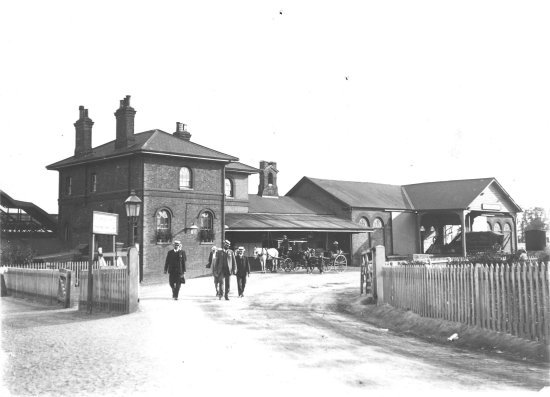
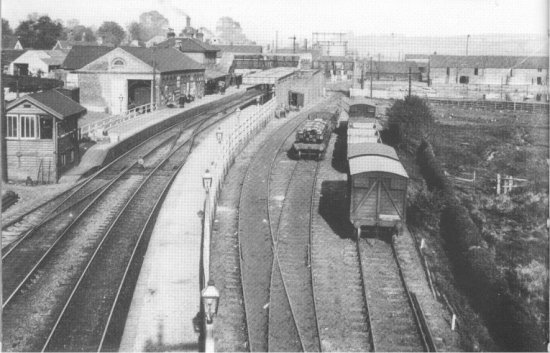
The station masters house was on the left of this photograph. The booking office was in the centre and the goods depot was on the right.

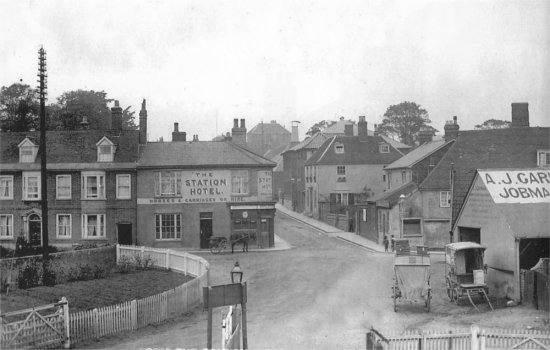
After the railway arrived the Anchor Inn changed its name to the Station Hotel.

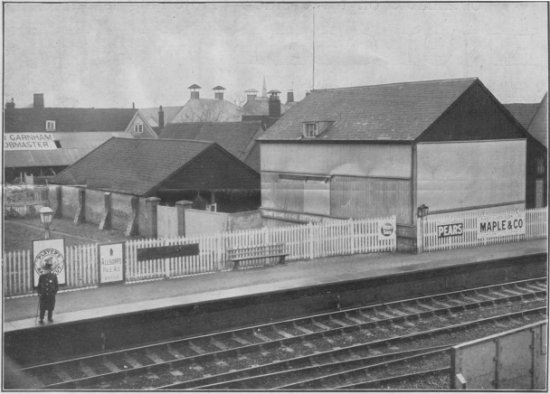
On the right hand side of the entrance to the station there was a sizable building owned by A. J. Garnham. He was a jobmaster providing a range of transports.

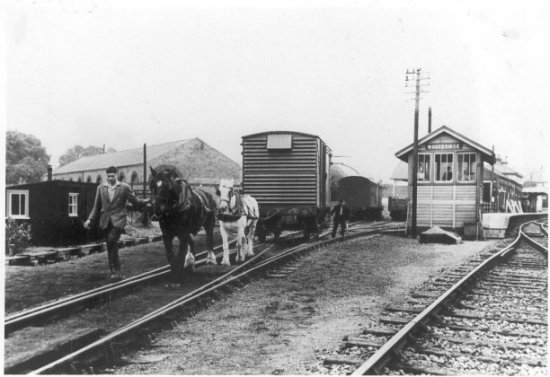
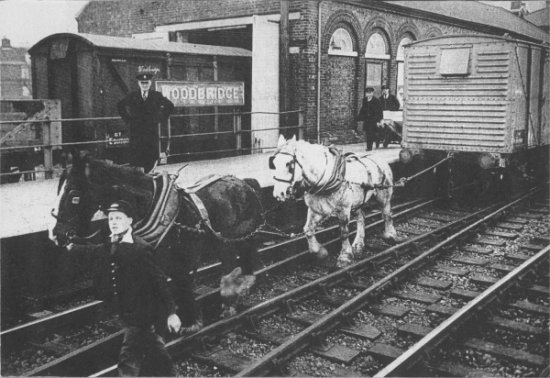
Because of weight limits, horses were used to pull wagons on the goods lines by the station and along the goods line running to the quays up river.
Expanded view of the station. The grain store, and the two railway lines associated with it, can be clearly seen in the lower part of this aerial photograph.
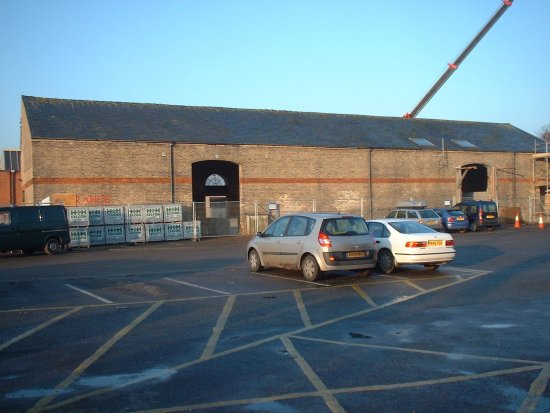
There used to be a railway line running along the left hand side of this former grain store. Individual waggons were hauled up the railway line by a pair of horses up to a turntable which enabled the waggon to be pulled through the gain store to be loaded undercover. Once loaded the waggon would be pulled back onto the main goods line.
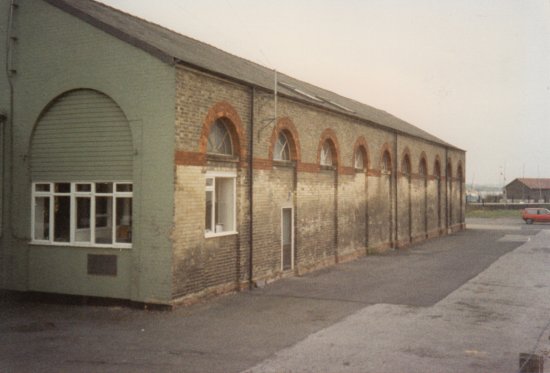
This photograph shows the grain store just before its conversion to a number of commercial units. Carts delivered corn one of the large entrances and it was stored under cover before it could be loaded on to railway wagons and taken back to the main goods line.
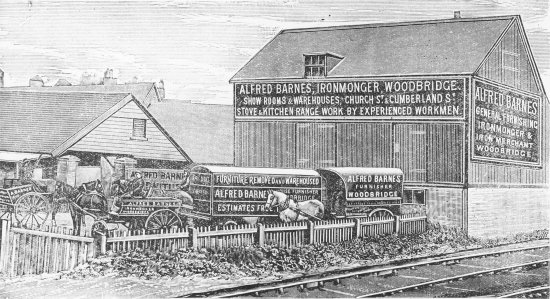
On the right hand side of the entrance to the station there was a sizable building owned by A. J. Garnham. He was a jobmaster providing a range of transport. Below this business and the railway platform there was a large storage and display area for Alfred Barnes’ ironmongeries business.
This advertising poster for Alfred Barnes gives a better understanding of the size of his business.
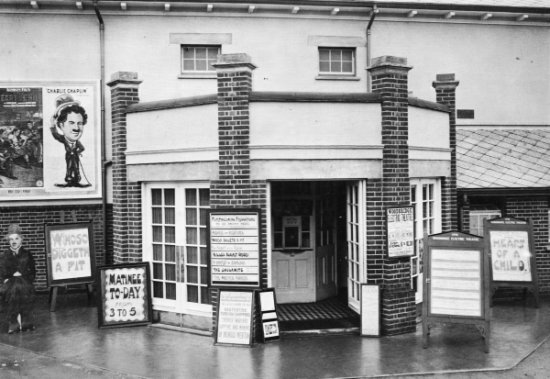
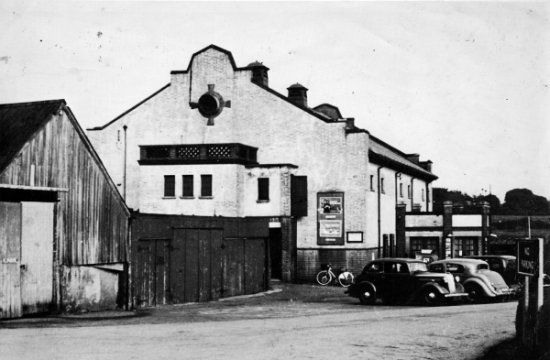
The Great War had been in progress for only a few months when the Woodbridge Electric Theatre opened on Saturday 25th September 1915. Behind the venture was Mr David Ager, a businessman who had brought the early cinema to to Colchester, and Mr Isaac Richardson of Woodbridge, the Manager. The theatre was built by Reeds of Aldeburgh and boasted an unusually large screen. It was twenty four feet by eighteen feet and provided a brilliant ‘flickerless’, picture. Like other Electric Theatres, Woodbridge produced its own power with two oil driven engines in a small room located where the Riverside Theatre Bar is today.
The view of Woodbridge Electric Theatre from station Road.
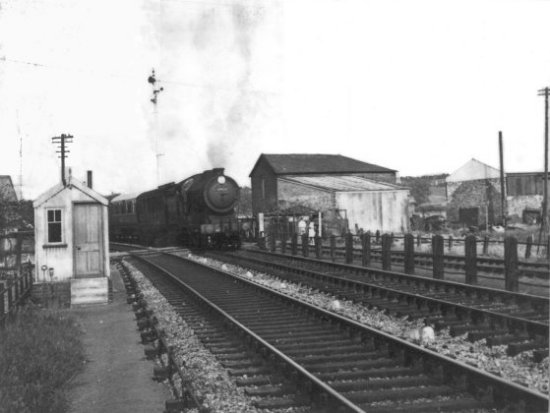
This train from Yarmouth is about to stop at Woodbridge Station.
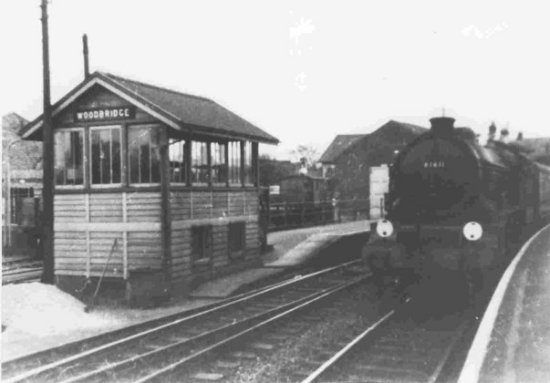
The Woodbridge Signal Box.
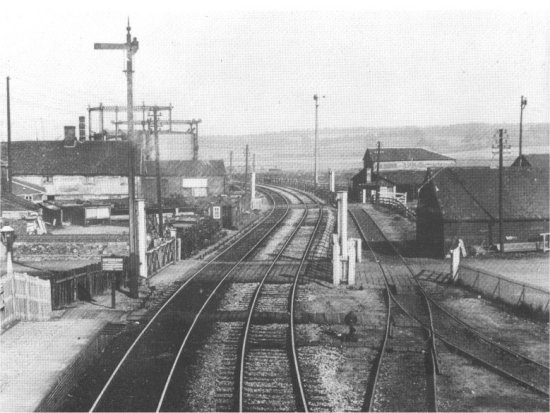
The sidings at Woodbridge Station.
The next stop is Ipswich.
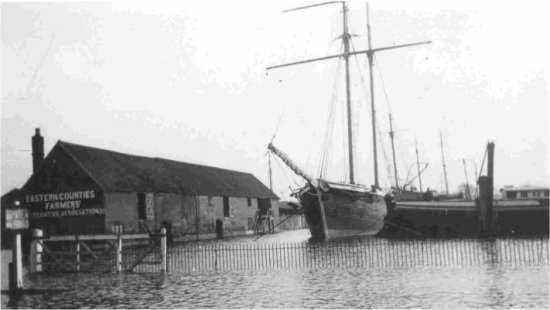
Water water everywhere.