The Street

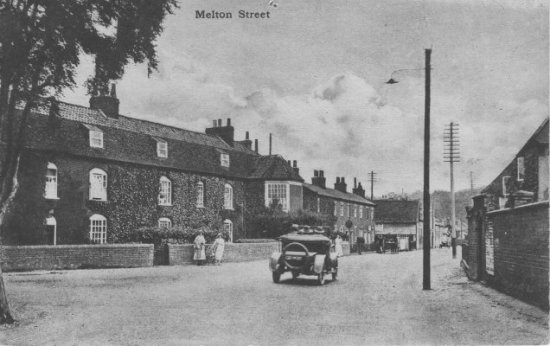
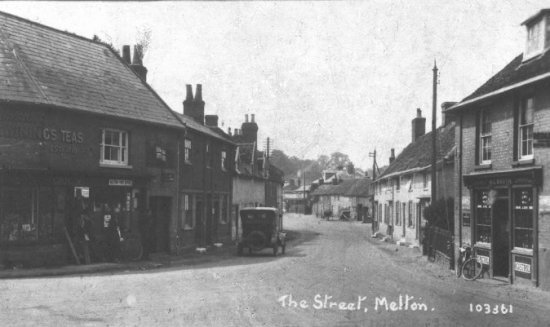
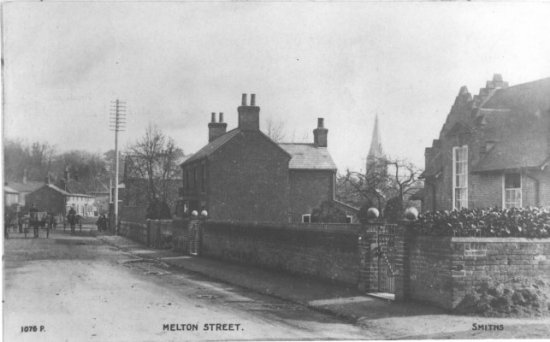
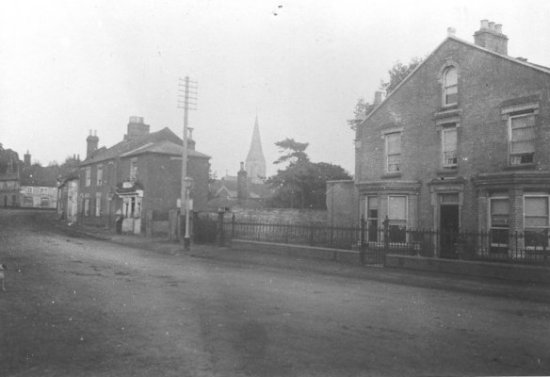
The junction with Woods Lane is on the left of this photograph.

The wall on the right was removed in 1978 as part of the building of the relief road (Wilford Bridge Road) which bypassed the centre of Melton.

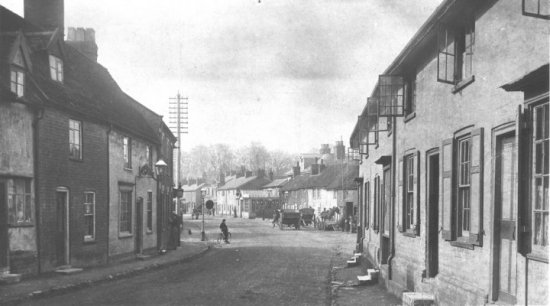
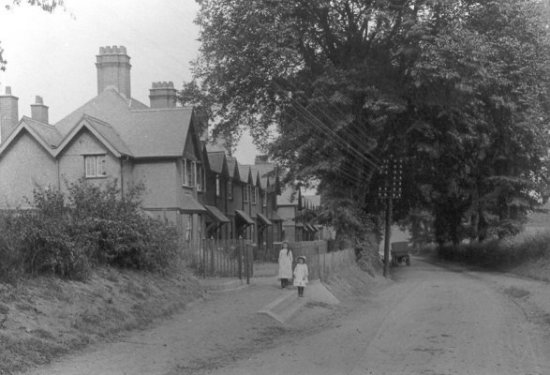
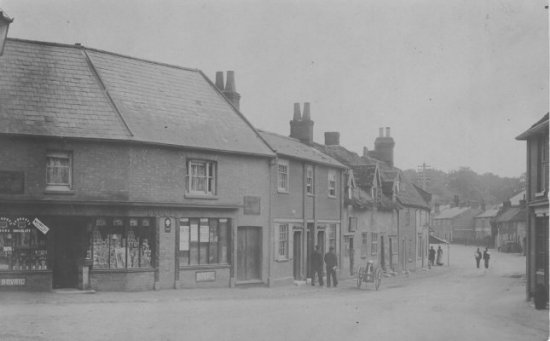
West side of The Street – looking north from the Post Office (opposite the Parish rooms).
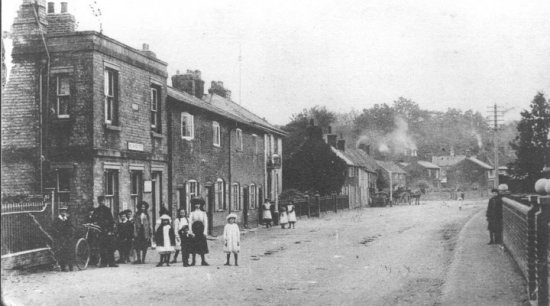
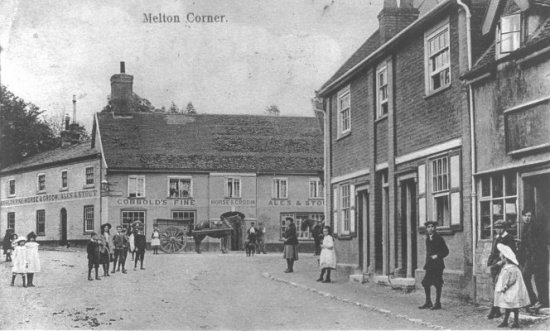
The iron foundry was established in 1833 by Horace Girling and James Page – agricultural and horticultural engineers. By 1868 it was being referred to as a Brass and Iron Founders. The iron foundry was behind the building by the cluster of children.
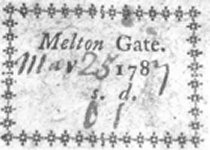
The road between Ipswich and Great Yarmouth became a Turnpike in 1785 and the Melton Toll gate was established soon after.
Ticket with ornate pattern boarder
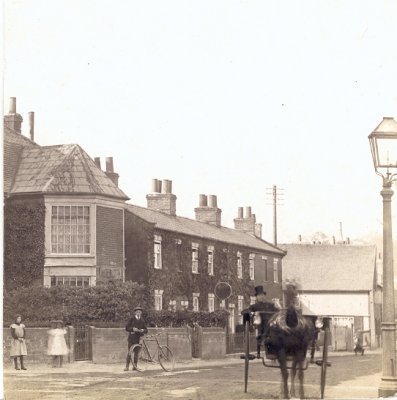
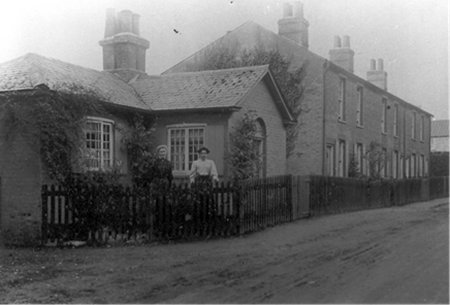
House with ladies in garden
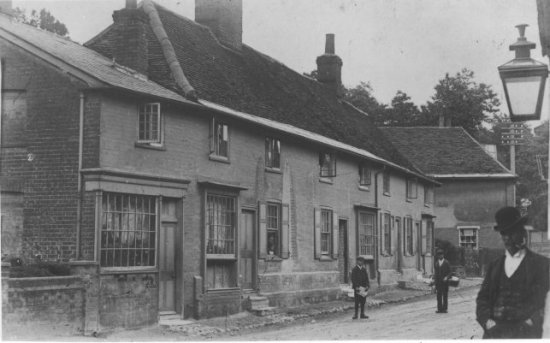
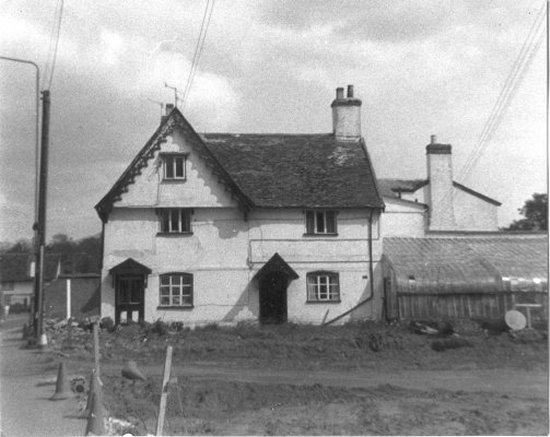
The Churchwardens accounts for start of the century make reference to grants of money to the poor for specific reasons and of “reducing the high price of flour to the poor of the parish” and for support for people in the Town House built in 1706 by Henry Godwin on the site of the houses of the steward and bailiff of Liberty of St Etheldreda. This photograph was taken in 1978 when work was started on the relief road (Wilford Bridge Road). There had been high brick wall running along the pavement on the bottom left of the photo. Much of the land to the right had been part of a rose nursery.

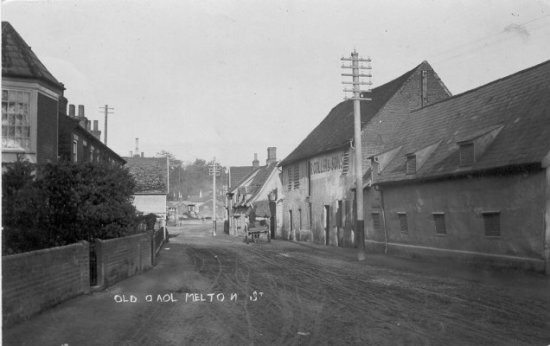
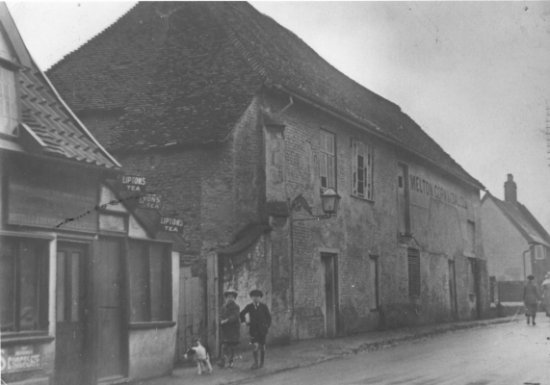
The maltings on the left of this photograph was the one of the first pre 1900 buildings to be demolished.

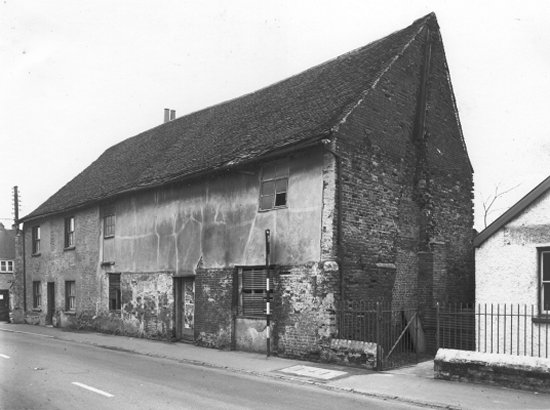
The building beyond it was the gaol of the Liberty of St Etheldreda until 1755. The building was a two story, oblong medieval structure constructed of brick on the ground floor and timber framed on the upper floor. building was in two halves. The part nearest the maltings had been Steward’s and the Bailiff’s residences but soon after 1755 it was being used by Melton Corn and Coal.

The other half of the building was the gaol an the prisoners left carvings of ships and windmills cut deep into the walls of the rooms they had occupied. Sadly, in 1962, the whole building was demolished overnight before listed building protection could be obtained.

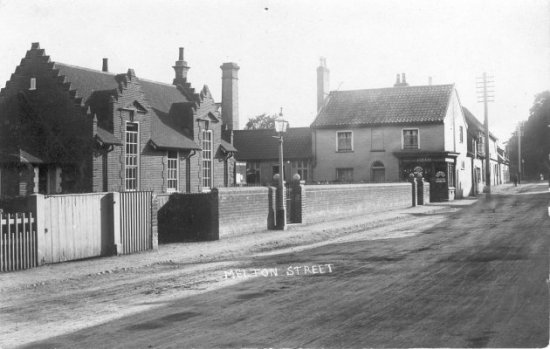
In about 1900 the parish rooms were built on what was used to be called the Gaol Meadows.
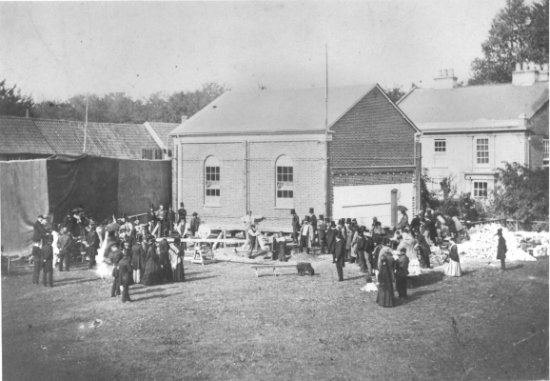
The Methodist Chapel was built in 1860 but in 1861 the neat white and red brick building had to be moved 15 feet after it was pronounced to be a nuisance (obstructing the light) to the adjacent gentlemen’s house. It closed in 1951.
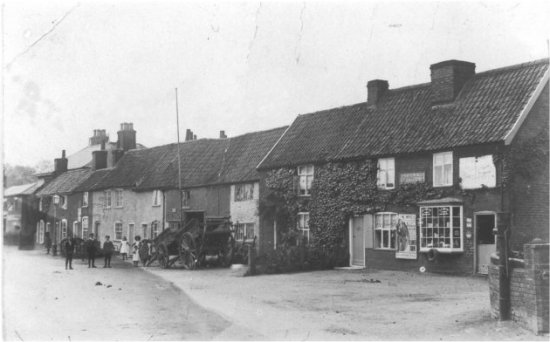
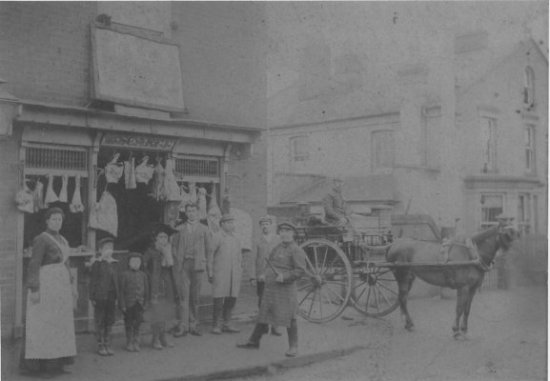
The White House is on the right. The shop was demolished in the 1970s to make the entrance to Winifred Fision House. George Scarff is the tall man in the middle of the group.
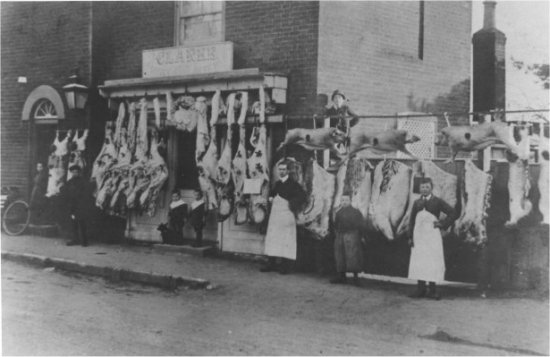
The same shop as in the previous picture but now owned by Clarke. From 1924 to 1953 the butchers shop was owned by Norman Billby. The shop was demolished in the 1970s to make the entrance to Winifred Fision House.
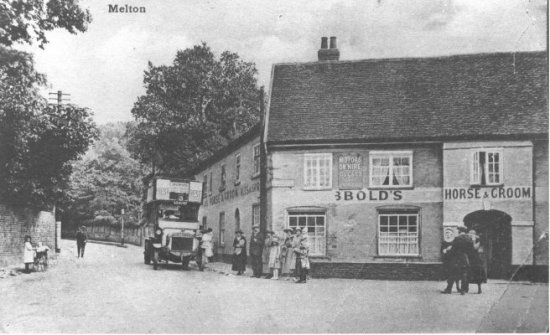
The first bus to stop at the Horse and Groom.
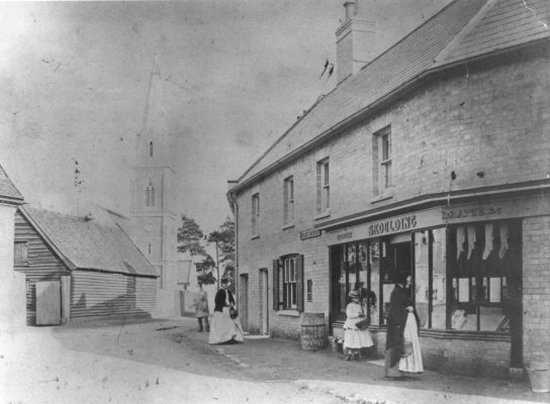
At Melton Corner looking towards the Church.

Waterhead Lane

These almshouses built, under the terms of Richard Cook’s 1539 will, were demolished in the late 1940s.

Old Church Road